Key Takeaways
- Working out at home is effective, sustainable, and requires no expensive equipment
- A complete home workout plan includes strength training, cardio, flexibility, and recovery
- Consistency and progressive overload drive all results
- Nutrition and sleep matter as much as your workouts
- Start where you are, not where you think you should be
Working out at home has become the preferred way for millions to get fit. It removes every barrier: no commute, no intimidation, no expensive memberships. This guide covers everything you need to start.
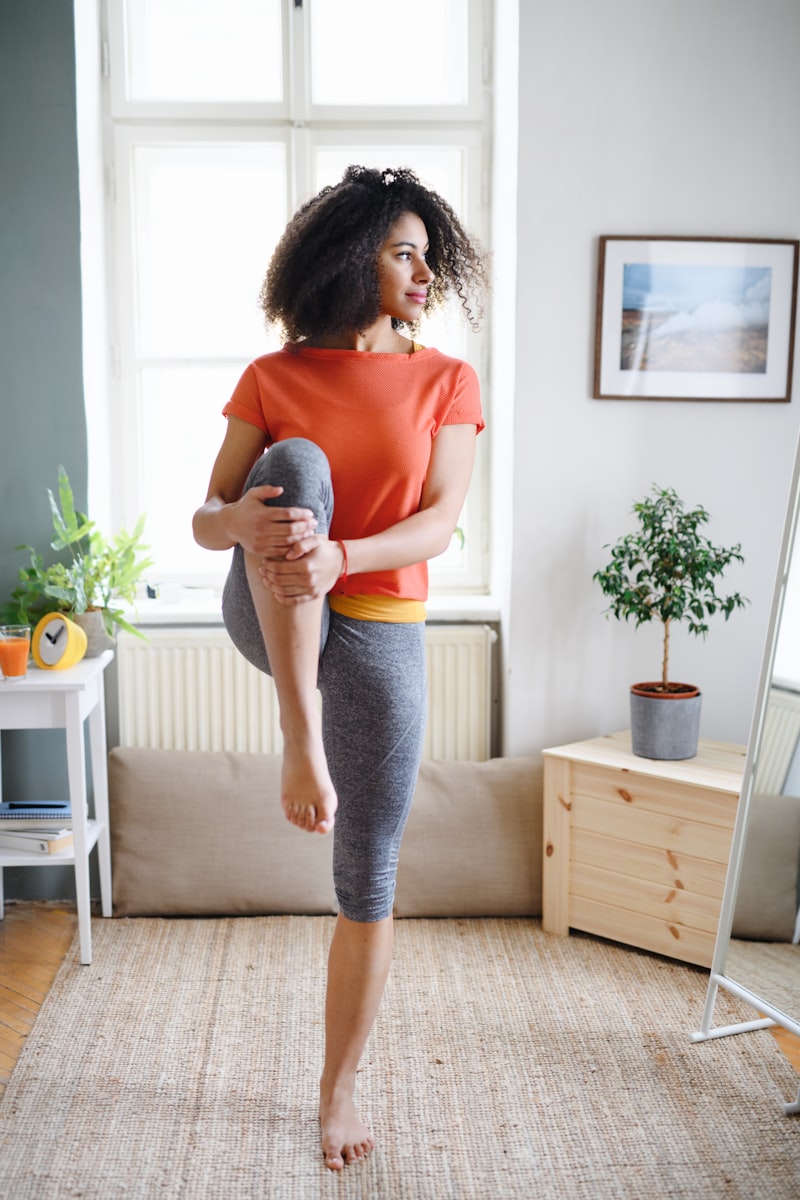
Why Work Out at Home?
You save time and money, have complete privacy, and can train any time. For beginners, the home environment removes social anxiety and lets you focus on building the habit.
What You Need
A yoga mat, comfortable clothes, a water bottle, and a timer. Optional: resistance bands, light dumbbells, and a pull up bar. Start with what you have today.
The Three Pillars
Strength Training
Bodyweight exercises are the foundation. Start with the calisthenics workout for beginners. The best bodyweight exercises for beginners guide shows harder variations. Aim for 2-3 strength sessions per week.
Cardio
The cardio exercise at home for beginners routine gives you a 15 minute workout. The best cardio for beginners guide covers walking, cycling, and swimming. Aim for 3-4 sessions per week.
Flexibility
Dedicate 5-10 minutes after each workout to stretching for injury prevention and recovery.
Your First Month
Week 1
Monday: starter workout routine at home (1 round). Wednesday: simple at home workout (1 round). Friday: cardio routine (1 round).
Week 2
Add one more round to each workout. Sessions become 20-25 minutes.
Week 3
Try the beginner strength training routine at home for variety.
Week 4
Increase work intervals, reduce rest, or try harder variations.
Science of Results
Progressive overload + consistency = results. A moderate workout done for 12 weeks beats an intense one abandoned after 2.
Nutrition
Eat enough protein (0.7g per pound of body weight), vegetables, and stay hydrated.
Sleep and Recovery
Aim for 7-9 hours. See how to improve sleep quality and how to improve sleep hygiene.
Mental Health
Regular exercise reduces anxiety and improves mood. Read mental health tips for more.
Common Mistakes
Doing too much too soon, skipping warm ups, ignoring form, comparing yourself to others. Start with 3 sessions per week and increase gradually.
Conclusion
Working out at home is accessible, effective, and sustainable. Start today. Your home is all the gym you need.
Author: Jessica Moore is a holistic health and fitness writer who helps beginners build sustainable wellness habits. Her work focuses on practical strategies for strength training, cardio, sleep, and mental health.