
Key Takeaways
- Mental health requires daily maintenance just like physical health does
- Small daily habits matter more than occasional big efforts
- Social connection is one of the strongest protective factors for mental health
- Physical activity directly improves mood through neurotransmitter regulation
- Asking for help is a sign of strength, not weakness
Mental health is just as important as physical health, but it is often neglected until something goes wrong. The best way to protect your mental health is through consistent daily practices that build resilience over time. These mental health tips are practical, evidence based, and designed to fit into a real life schedule.
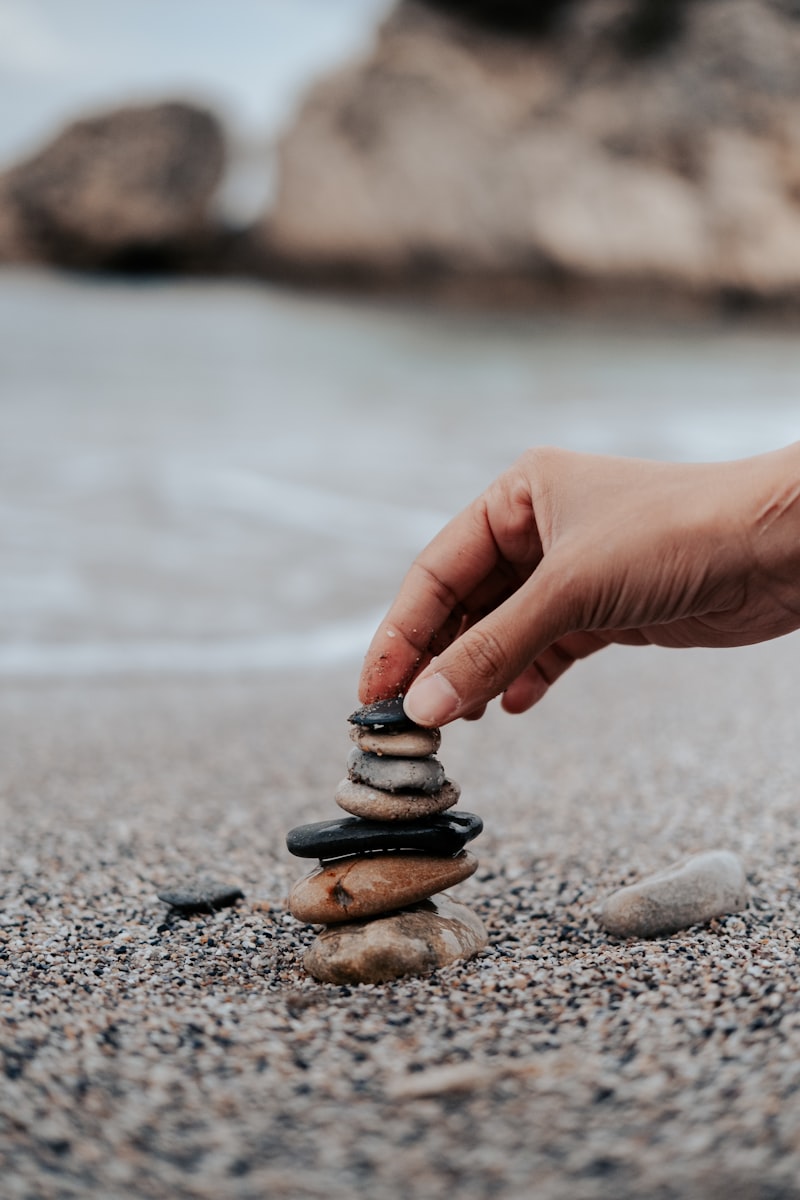
Daily Habits for Better Mental Health
Start with a Morning Check In
Before you check your phone, take 30 seconds to ask yourself how you are feeling today. Name the emotion without judging it. This simple practice builds emotional awareness and helps you address problems early before they escalate.
Move Your Body Every Day
Exercise releases endorphins, dopamine, and serotonin, the brain chemicals that regulate mood. You do not need an intense workout. A 15 minute walk, gentle stretching, or a simple at home workout is enough to improve your mental state. The key is consistency, not intensity.
Limit News and Social Media Consumption
Constant exposure to negative news and social media comparisons fuels anxiety and low mood. Set specific times for checking news and social media, and use app timers to enforce boundaries. Consider a digital sunset where you stop using screens 60 minutes before bed.
The Power of Social Connection
Humans are wired for connection. Regular meaningful interactions with others reduce stress, improve mood, and even lengthen lifespan. Make time for people who matter to you. A 10 minute phone call with a friend is more valuable than scrolling through social media for an hour. If you are struggling, sharing what you are going through with someone you trust can make a profound difference.
Managing Stress Before It Manages You
Stress is unavoidable, but how you respond to it is within your control. The 5 5 5 breathing technique can help in stressful moments: inhale for 5 seconds, hold for 5 seconds, exhale for 5 seconds. Repeat 5 times. This activates your parasympathetic nervous system and calms your body fight response. Regular practices like journaling, meditation, or yoga build long term resilience to stress. Even 5 minutes per day makes a difference over time.
Sleep and Mental Health
Poor sleep and poor mental health create a vicious cycle. Anxiety makes it hard to sleep, and lack of sleep makes anxiety worse. Prioritizing sleep is one of the most effective mental health strategies available. Aim for 7 to 9 hours of quality sleep per night. If you struggle with sleep, start with how to improve sleep hygiene and build from there.
When to Seek Professional Help
These tips support everyday mental health maintenance, but they are not a substitute for professional care. If you experience persistent sadness, anxiety that interferes with daily life, changes in appetite or sleep that last more than two weeks, loss of interest in activities you once enjoyed, or thoughts of harming yourself, please reach out to a mental health professional. Therapy is not just for crisis. Many people see therapists regularly for maintenance and growth, just like seeing a dentist for regular checkups.
Conclusion
Mental health is built through daily choices, not occasional grand gestures. Move your body, connect with others, manage stress, prioritize sleep, and do not hesitate to ask for help when you need it. These mental health tips are simple but powerful when practiced consistently.
Author: Jessica Moore is a holistic health and fitness writer who helps beginners build sustainable wellness habits. Her work focuses on practical strategies for strength training, cardio, sleep, and mental health.