Updated September 30, 2026. This is a developing story, and details may change as more information becomes available.
If you’ve seen “Delta” trending, this is likely why. A Delta Air Lines flight from Barcelona to Boston was diverted to Porto, Portugal, on Sunday, September 27, after fumes were reported in the cabin. The aircraft landed safely, but several passengers needed medical attention on arrival, and a few were taken to hospital.
Here’s what is confirmed so far, where reports differ, and what normally happens to passengers when a long-haul flight ends up somewhere it wasn’t supposed to go.
What Happened to the Delta Flight?
The flight was Delta flight 251 (DL251), scheduled from Barcelona to Boston. Delta has confirmed the flight number and route in its own statement: flight 251 from Barcelona to Boston diverted to Porto following a reported mechanical issue and landed safely.
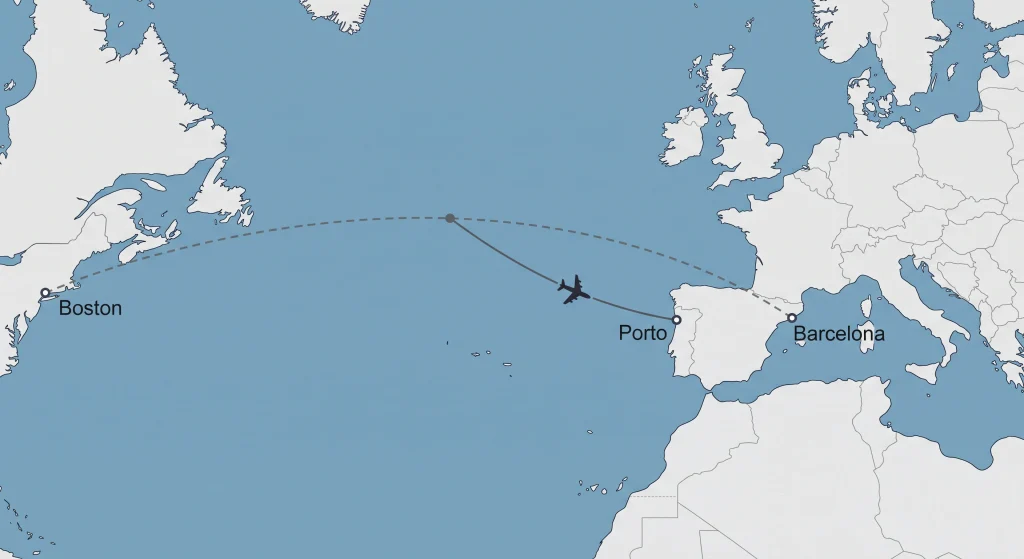
According to flight tracking data from Flightradar24, reported by Reuters, the plane left Barcelona at 3:15 p.m. local time. It turned toward Porto roughly two hours into the flight and landed at Francisco Sá Carneiro Airport at 5:45 p.m. local time, according to Flightradar24 as cited by The Hill.
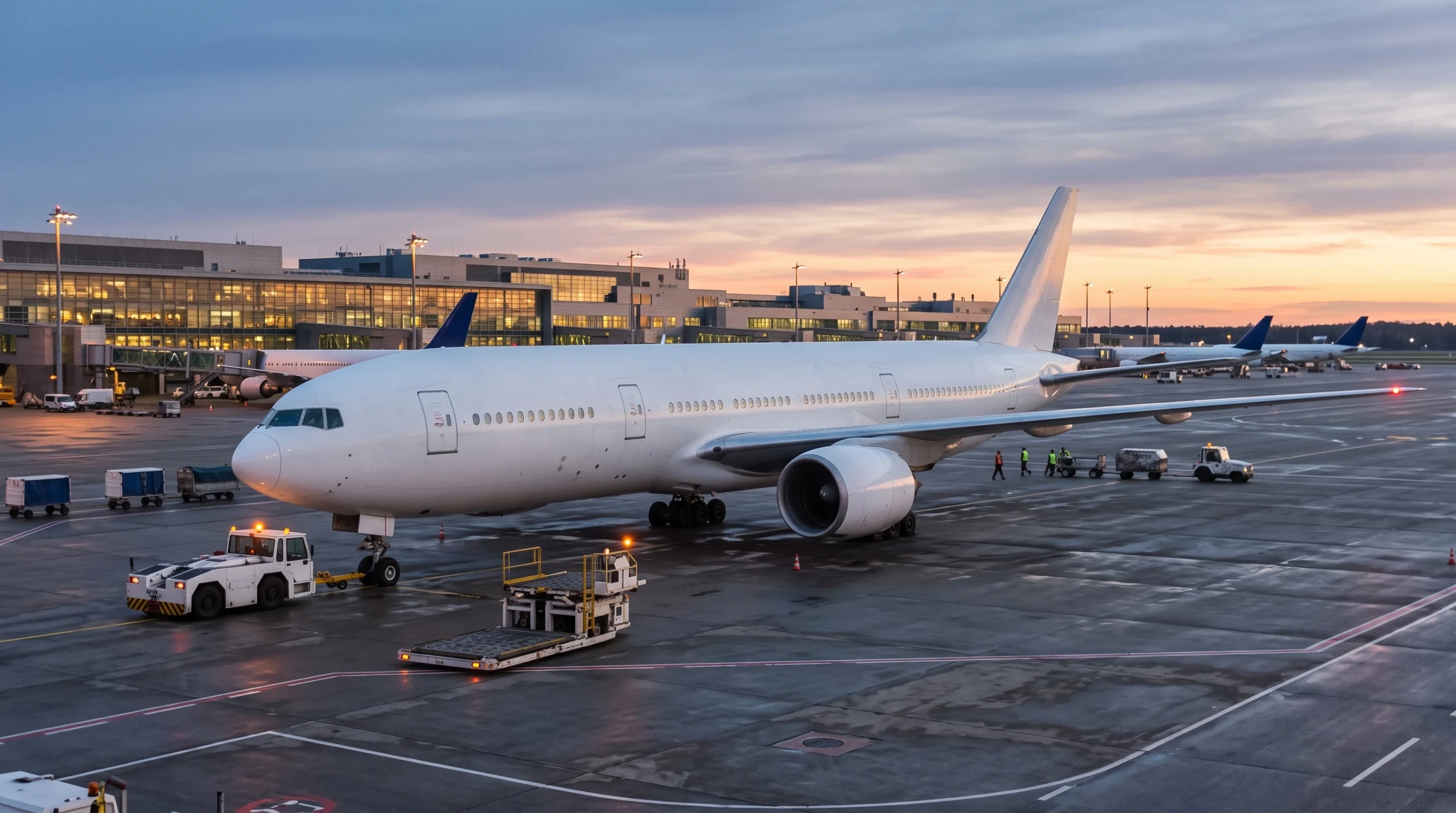
The aircraft was an Airbus A330-300, a twin-aisle widebody jet commonly used on transatlantic routes. On board were 13 crew members and 283 customers.
A note on those numbers: some outlets have reported “296 passengers.” That figure appears to combine the 283 customers and 13 crew. Delta’s own count is 283 customers plus 13 crew.
Why Was the Delta Flight Diverted to Porto?
Delta’s official explanation is a “reported mechanical issue.” A Delta official also said fumes were detected in the cabin. Several news organizations, including NBC News and Fox News, reported the cause as smoke in the cabin.
What has not been confirmed is the source of that smoke or those fumes. Delta has not publicly identified what caused it. Portugal’s civil protection service said the cause was not immediately known.
Delta told the Boston Globe that smoke, fume and odor events are rare but taken seriously, and that such odors can come from many sources. Beyond that, anything you read about a specific component or system failing should be treated as unverified until Delta or investigators say otherwise.
Why Porto? The airline hasn’t explained the choice, but it follows standard aviation practice. When there’s smoke or fumes in the cabin, crews typically head for the nearest suitable airport rather than continue across an ocean. Porto was one of the closest large airports with a runway able to handle an A330 and emergency services ready to meet it.
What We Know About the Passengers and Crew
This is where reports differ most, so here is what each source has said.
Delta’s account: According to the Boston Globe, Delta said three passengers were hospitalized in Porto, and on Monday said all three had been discharged. Two flight crew members also sought medical attention after landing.
Portuguese authorities, via Reuters: Portugal’s emergency and civil protection authority told Reuters that eight passengers were treated on the tarmac and three were taken to hospital.
Portuguese authorities, via AFP: Agence France-Presse, also citing Portugal’s civil protection service, reported that 14 passengers needed medical attention and four were taken to hospital for smoke inhalation, reportedly only lightly affected.
Local press: Portuguese newspaper Jornal de Notícias reported that as many as 14 passengers were treated on the tarmac.
So the exact number of people treated (between 8 and 14) and hospitalized (three or four) varies depending on the source. What all reports agree on: the plane landed safely, emergency crews met it, the injuries reported were related to smoke or fumes, and there have been no reports of serious injuries. Delta says those it hospitalized have since been released.
What Happened After the Delta Flight Landed in Porto?
Local emergency personnel met the aircraft when it landed. Delta said it was working to rebook customers on alternative flights to their final destinations.
According to aviation news site AirLive, Delta rescheduled the continuation of the flight to Boston for 1:00 p.m. local time the next day, Monday, September 28. AirLive also reported that Delta canceled flights DL276 and DL277 because the aircraft and crew were out of position, with affected passengers being rebooked or given accommodations.
As of this update, we have not found an official Delta confirmation that the rebooked passengers have arrived in Boston, and Delta has not said when the aircraft will return to service.
The disruption landed on an already rough weekend for travel out of Boston: a nor’easter had caused numerous flight cancellations at Boston Logan.
What Delta Has Said
Delta’s statement, issued through spokesperson Grant Myatt, confirmed the diversion and the safe landing, and apologized to customers for the delay, saying the airline was working to get them to Boston as safely and quickly as possible.
Delta did not initially comment on whether anyone was hurt, deferring to local authorities. Later, the airline confirmed to the Boston Globe that three passengers had been hospitalized and discharged and that two crew members sought medical attention.
What We Know About the Flight
| Airline | Delta Air Lines |
| Flight | DL251 |
| Original route | Barcelona (BCN) to Boston (BOS) |
| Date | Sunday, September 27, 2026 |
| Diversion airport | Porto, Portugal (OPO), Francisco Sá Carneiro Airport |
| Aircraft | Airbus A330-300 |
| People on board | 283 customers, 13 crew |
| Reason given by Delta | Reported mechanical issue; fumes detected in the cabin |
| Cause of smoke or fumes | Not yet confirmed |
| Medical | 3 hospitalized per Delta and Reuters (4 per AFP), all 3 discharged per Delta |
| Current status | Passengers being rebooked; aircraft’s return to service not yet confirmed |
What Does a Flight Diversion Mean?
A diversion means a flight lands at an airport other than its planned destination. It can happen for many reasons: a sick passenger, a technical problem, bad weather at the destination, or, as in this case, smoke or fumes in the cabin. The plane lands safely somewhere else, and the airline then works out how to get everyone to their original destination.
It helps to separate a few terms that often get mixed up:
- Delay: the flight still goes where it’s supposed to, just later.
- Cancellation: the flight doesn’t operate at all.
- Diversion: the flight operates but lands somewhere other than planned.
- Emergency landing: a landing made because of an urgent situation. Many diversions are emergency landings, but not all; some are precautionary.
DL251 was both a diversion and an emergency landing, since the crew needed to get the aircraft on the ground quickly.
What Happens to Passengers After a Flight Diversion?
The following describes what typically happens after an international diversion. It isn’t a confirmed account of every step DL251’s passengers went through.
Medical checks come first. When smoke or fumes are involved, paramedics usually meet the aircraft and assess anyone with symptoms like coughing, headaches or breathing trouble.
The aircraft is inspected. Engineers need to find and fix the cause before the plane can fly again, and that can take anywhere from hours to days.
Passengers may go through immigration. On a flight from Spain to Portugal, both are in the Schengen zone, which usually simplifies things. For passengers from other countries, local entry rules still apply if they need to leave the airport overnight.
The airline arranges onward travel. That might mean a replacement aircraft, seats on other flights, or a later departure once crews have rested. Pilots and flight attendants have strict duty-time limits, so a same-day departure is often impossible.
Hotels and meals. For overnight disruptions, airlines generally provide accommodation and meal vouchers, though how this is handled varies.
Missed connections. For anyone connecting in Boston to another city, the domino effect can mean more rebooking on the other side.
What Travelers Should Know
If you were on DL251, or if you’re ever caught up in a similar diversion, a few practical steps help:
- Keep your receipts. Meals, transport, hotels and phone costs may be reimbursable.
- Use the Delta app. Rebooking options and updates often appear in the app before gate agents can announce them.
- Ask for written confirmation of the disruption. This is useful for travel insurance claims and any compensation requests.
- Check EU passenger rights. Because DL251 departed from Barcelona, European Union air passenger rules (EU261) may apply even though Delta is a US airline. Whether compensation is owed depends on the circumstances, including whether the cause is treated as extraordinary. Check with Delta or an official EU passenger rights resource for your specific case.
- Seek medical advice if symptoms appear later. Anyone who breathed in smoke or fumes and feels unwell afterward should see a doctor and keep the records.
Latest Delta Flight Update
As of September 30, 2026:
- Delta flight 251 from Barcelona to Boston diverted to Porto on September 27 and landed safely.
- Delta cites a reported mechanical issue and fumes in the cabin. The specific source has not been confirmed.
- Delta says three passengers were hospitalized and have been discharged; two crew members sought medical attention. Other reports put the numbers higher.
- Delta is rebooking passengers to Boston. Arrival of the rebooked passengers has not been officially confirmed.
We’ll update this article if Delta or Portuguese authorities release more information.
Frequently Asked Questions
Which Delta flight was diverted to Porto?
Delta flight 251 (DL251), an Airbus A330-300, on Sunday, September 27, 2026.
Where was the Delta flight originally going?
From Barcelona, Spain, to Boston Logan International Airport in Massachusetts.
Why was the Delta flight diverted to Porto?
Delta said the flight diverted after a reported mechanical issue and confirmed fumes were detected in the cabin. The exact source of the smoke or fumes has not been confirmed.
Were the Delta passengers safe?
The aircraft landed safely. Delta said three passengers were hospitalized and later discharged, and two crew members sought medical attention. Portuguese authorities cited by AFP reported four hospitalized and 14 treated.
Will Delta passengers be rebooked?
Yes. Delta said it was rebooking customers on alternative flights to their final destinations. AirLive reported a replacement departure to Boston scheduled for September 28.
How many people were on the Delta flight?
283 customers and 13 crew members, according to Delta.
How can I check my Delta flight status?
Use the Delta app or the flight status tool on Delta.com with your flight number or confirmation code.
Sources
- NBC Boston: Delta’s full statement, flight number, route, aircraft type, passenger and crew counts, rebooking.
- The Boston Globe: Delta’s figures on hospitalizations and discharges, crew seeking medical attention, spokesperson name, Jornal de Notícias report, Delta comment on fume events.
- NBC News (Reuters): Flightradar24 departure time, Portuguese civil protection figure of three hospitalized.
- The Hill: Airport name, landing time, Reuters figures on passengers treated on the tarmac.
- Fox News: AFP-reported figures of 14 treated and four hospitalized.
- TheTravel: Timing of the diversion into the flight, nor’easter disruptions in Boston.
- AirLive: Rescheduled departure to Boston and canceled connecting flights.
- Attack of the Fanboy: Delta not yet identifying the smoke source or return-to-service date.
- 100PercentFedUp (citing Reuters): Civil protection service statement that the cause was not immediately known.