Key Takeaways
- Bodyweight exercises build strength using your own body weight, no gym or equipment needed
- Mastering proper form for 5-7 foundational moves is enough to build a full-body workout
- Beginners should start with 3 sessions per week, focusing on controlled movements
- Progress comes from increasing reps, slowing down tempo, or reducing rest time
- Bodyweight training improves functional fitness for daily life activities
Starting a fitness routine can feel intimidating, especially if you do not have access to a gym or expensive equipment. The good news is that you already have everything you need to build real strength. Bodyweight exercises use your own weight as resistance, making them accessible anywhere (at home, in a park, or even in a hotel room). This guide covers the best bodyweight exercises for beginners and shows you how to build a simple, effective routine.
Why Bodyweight Training Works for Beginners
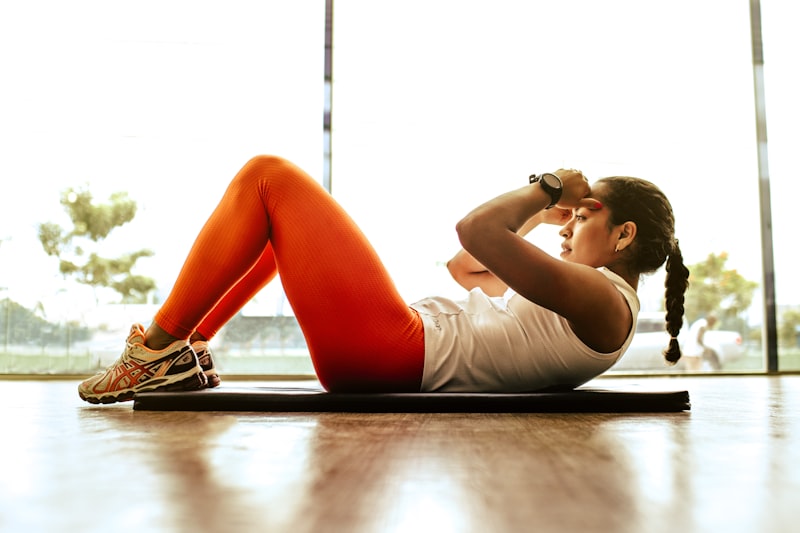
Bodyweight training is one of the most effective ways to start a fitness journey. It teaches your body to move correctly before adding external weight, which reduces injury risk. It also improves mobility, balance, and coordination alongside strength.
For beginners, bodyweight exercises offer three major advantages. First, there is no barrier to entry: you do not need a gym membership, weights, or any special gear. Second, you can adjust every exercise to match your current fitness level by modifying the movement. Third, bodyweight training builds functional strength that makes everyday activities like carrying groceries or climbing stairs feel easier.
The 7 Best Bodyweight Exercises for Beginners
These seven exercises target every major muscle group. Master them in this order before moving on to harder variations.
1. Squats
Squats are the foundation of lower body strength. They work your quads, hamstrings, glutes, and core.
Stand with feet shoulder-width apart. Keep your chest up and back straight. Lower your body as if sitting back into a chair, keeping your knees behind your toes. Go as low as you can while keeping good form, then push through your heels to stand back up.
Beginner modification: Start with chair squats. Place a sturdy chair behind you and tap it lightly at the bottom of each rep. This builds confidence with the movement pattern.
2. Push-Ups
Push-ups build upper body pushing strength in your chest, shoulders, and triceps, plus core stability.
Start in a plank position with hands slightly wider than shoulder-width. Keep your body in a straight line from head to heels. Lower your chest toward the floor by bending your elbows at a 45 degree angle to your body. Push back up to the start.
Beginner modification: Perform push-ups on your knees or against a wall or countertop. As you get stronger, progress to a lower surface like a bench, then to the floor.
3. Lunges
Lunges target your quads, glutes, and hamstrings while also challenging your balance and coordination.
Stand with feet together. Take a controlled step forward with your right leg and lower your body until both knees bend at about 90 degrees. Your front knee should be directly above your ankle, and your back knee should hover just above the floor. Push through your front heel to return to standing. Repeat on the other side.
Beginner modification: Perform reverse lunges by stepping backward instead of forward. This is easier on the knees and provides better stability.
4. Plank
The plank is the ultimate core stability exercise. It strengthens your abs, back, shoulders, and glutes all at once.
Start in a forearm plank position with elbows directly under your shoulders and your body in a straight line from head to heels. Engage your core by pulling your belly button toward your spine. Hold this position without letting your hips sag or rise.
Beginner modification: Hold the plank on your knees instead of your toes. Aim for 15 to 20 seconds and gradually increase.
5. Glute Bridges
Glute bridges activate and strengthen your glutes and lower back, which is essential for good posture and injury prevention.
Lie on your back with knees bent and feet flat on the floor, hip-width apart. Place your arms at your sides with palms facing down. Push through your heels to lift your hips toward the ceiling, squeezing your glutes at the top. Lower back down slowly.
Beginner modification: Perform single-leg glute bridges once the basic version feels easy. Extend one leg straight while lifting with the other.
6. Bird Dog
The bird dog exercise builds back strength, core stability, and coordination (all critical for beginners).
Start on your hands and knees in a tabletop position. Your hands should be directly under your shoulders and your knees under your hips. Simultaneously extend your right arm forward and your left leg backward, keeping your hips and shoulders level. Hold for a moment, then return to start. Switch sides.
Beginner modification: Start by lifting just your arm or just your leg separately before trying the full movement. Focus on keeping your back flat throughout.
7. Calf Raises
Calf raises build lower leg strength and ankle stability, which are often overlooked by beginners.
Stand with feet hip-width apart. Hold onto a wall or chair for balance if needed. Slowly rise up onto the balls of your feet as high as possible, pause at the top, then lower back down with control.
Beginner modification: Perform calf raises seated to reduce the load. Place a weight or heavy book on your knees for added resistance once you can do 20 reps easily.
How to Build Your Beginner Bodyweight Routine
Weekly Schedule
Start with three sessions per week on non-consecutive days. For example, Monday, Wednesday, and Friday. Each session should take about 20 to 25 minutes.
The Full Body Circuit
Perform each exercise for 40 seconds, then rest for 20 seconds. Complete all 7 exercises in order, rest for 90 seconds, then repeat the circuit two more times for a total of 3 rounds.
- Squats (40 seconds)
- Push-Ups, modified as needed (40 seconds)
- Lunges, alternating legs (40 seconds)
- Plank (40 seconds)
- Glute Bridges (40 seconds)
- Bird Dog, alternating sides (40 seconds)
- Calf Raises (40 seconds)
Rest 90 seconds between rounds.
How to Progress Safely
Once you can complete all 3 rounds with good form, progress using these methods:
- Increase your work time from 40 to 50 seconds per exercise
- Add one additional round (4 total)
- Reduce rest time between exercises from 20 to 10 seconds
- Try harder variations of each exercise: full push-ups instead of knee push-ups, or jump squats instead of regular squats
Always prioritise form over speed or number of reps. A slow, controlled movement with perfect form builds more strength than a fast, sloppy one.
Common Mistakes Beginners Make
Holding your breath during exercises. Breathe steadily: exhale during the exertion phase and inhale during the return. Moving too fast. Slow, controlled reps build more strength and reduce injury risk. Arching your lower back during planks and push-ups. Keep your core engaged and your body in a straight line. Not warming up. Spend 5 minutes doing light marching, arm circles, and leg swings before each session. Comparing yourself to online videos. Everyone starts somewhere. Focus on your own progress.
When to Move to the Next Level
Stay with this beginner routine for 4 to 6 weeks. By then, you should be able to complete all 3 rounds without stopping and with consistent good form. At that point, you can add harder bodyweight exercises like mountain climbers, burpees, or pike push-ups. You can also invest in a set of resistance bands or adjustable dumbbells to add external load.
The beauty of bodyweight training is that there is always a harder variation waiting for you. As you get stronger, the exercises grow with you.
Conclusion
Bodyweight exercises are the perfect starting point for anyone new to fitness. They are free, accessible, and effective. By mastering the seven exercises in this guide and following the simple 3-day circuit routine, you will build a solid foundation of strength, stability, and confidence. Start with what you can do, focus on form, and trust the process.
Author: Jessica Moore is a holistic health and fitness writer who helps beginners build sustainable wellness habits. Her work focuses on practical strategies for strength training, cardio, sleep, and mental health.